

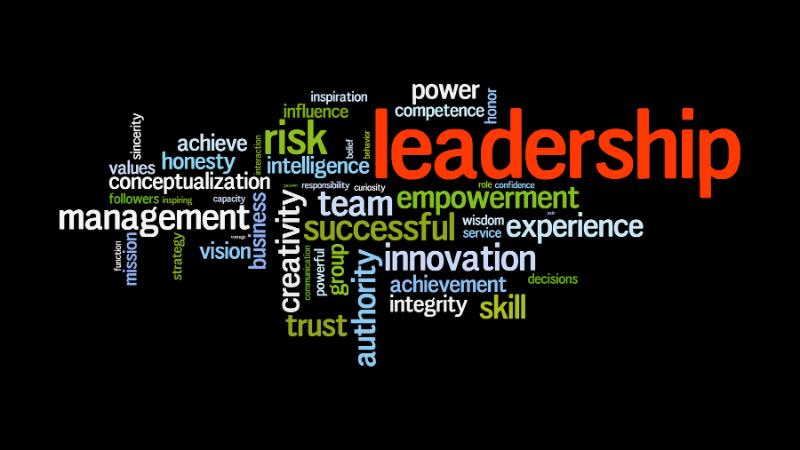
Key Leadership Skills for 2026

Anyone can be given a leadership title—but not everyone succeeds in it. True leadership goes beyond designation; it is built on strong personal values, continuous learning, and the ability to inspire and guide others effectively.
Great leaders are not born overnight. They are shaped through consistent self-development, professional growth, and real-world experience. In today’s fast-changing business environment, leadership requires adaptability, emotional intelligence, and a commitment to ongoing improvement.
Here are the key qualities that define a successful leader:
1. Integrity and Honesty
Integrity is the foundation of effective leadership. Leaders who act with honesty and uphold strong moral principles earn trust and credibility. When your actions consistently reflect your values, your team feels confident in your intentions and decisions.
Honesty also plays a critical role. Open communication—even during difficult situations—builds transparency and strengthens relationships within teams.
2. Self-Motivation and Passion
Successful leaders are self-driven. They don’t wait for external motivation—they set their own standards and strive to exceed expectations. This internal drive fuels performance and sets the tone for the entire team.
Passion amplifies this effect. A leader’s enthusiasm is contagious, influencing team energy, engagement, and productivity. When leaders are passionate about their work, it naturally inspires others to give their best.
3. Engagement and Focus
Effective leaders stay actively involved. They don’t just delegate tasks—they participate, guide, and support their teams. Being present and engaged helps leaders understand challenges, provide direction, and build stronger connections.
Maintaining focus is equally important. Leaders must be able to prioritize and concentrate on what truly matters, even in high-pressure environments.
4. Respect and Loyalty
Respect is earned through actions, not authority. Leaders who treat their teams with fairness and appreciation foster loyalty and commitment. When employees feel valued, they are more likely to align with organizational goals.
Loyalty, in return, is a two-way relationship. Leaders must consistently support their teams if they expect the same level of commitment.
5. Ethical Mindset and Courage
Ethical leadership ensures that decisions are guided by principles rather than convenience. Strong leaders set the tone for organizational behavior by maintaining high ethical standards.
Courage complements this trait. Leaders must be willing to take calculated risks, address difficult issues, and make tough decisions—even when they are unpopular. This ability to stand firm builds respect and confidence among team members.
6. Emotional Intelligence and Control
Leadership is as much about managing emotions as it is about managing people. Emotional control helps leaders stay calm under pressure, make rational decisions, and respond thoughtfully to challenges.
Empathy is a key part of emotional intelligence. Understanding the feelings and perspectives of others allows leaders to build deeper connections and create a supportive work environment.
7. Discipline and Time Management
Discipline is the backbone of consistent performance. It reflects a leader’s ability to stay focused, maintain self-control, and follow through on commitments.
Time management is equally critical. Effective leaders recognize that time is their most valuable resource. They prioritize tasks, delegate effectively, and balance professional responsibilities with personal well-being.
8. Confidence and Maturity
Confidence enables leaders to make decisions, take risks, and navigate uncertainty. It is developed over time through experience, learning, and resilience.
Maturity, on the other hand, is reflected in behavior—how leaders handle challenges, communicate with others, and maintain composure in difficult situations. It’s not about age, but about mindset and approach.
9. Risk Management and Decision-Making
Every leadership role involves risk. Successful leaders know how to identify, assess, and manage risks effectively. They understand which risks are worth taking and which should be avoided.
Strong decision-making skills ensure that actions lead to positive outcomes, even in uncertain situations.
10. Relationship Building and Communication Skills
Leadership is built on relationships. Developing a strong professional network and fostering meaningful connections within teams is essential for long-term success.
Clear and confident communication is a key part of this. Leaders must be able to express ideas effectively, whether in one-on-one conversations or large group settings. Strong speaking skills enhance credibility and influence.
11. Empowerment and Team Development
Great leaders don’t just lead—they empower. They create an environment where team members feel confident to make decisions, take ownership, and grow.
Empowerment goes beyond delegation. It involves providing the right tools, guidance, and trust needed for individuals to succeed independently.
Conclusion
Leadership is a continuous journey of growth and self-improvement. The most effective leaders are those who remain committed to learning, adapting, and evolving with changing times.
By developing these essential qualities—integrity, empathy, discipline, and strong communication—leaders can inspire their teams, drive performance, and create lasting impact.
In the end, successful leadership is not about authority—it’s about influence, trust, and the ability to bring out the best in others.


Leave a reply