

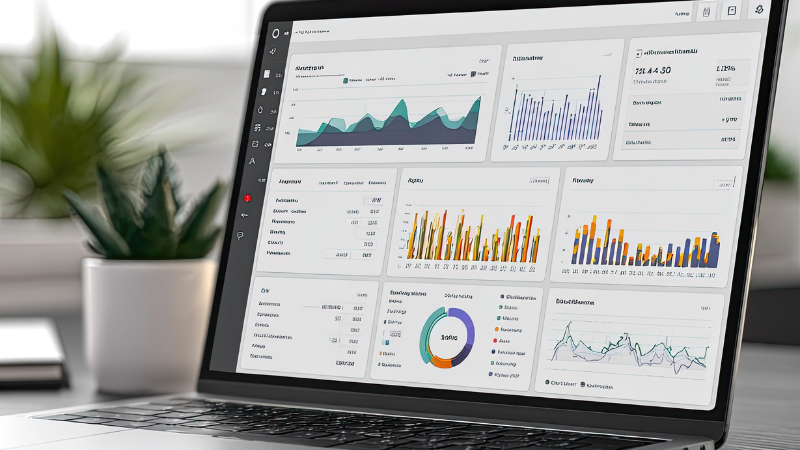
Scoreboards That Change Behaviour: Why Most HR Metrics Fail—and How to Fix Them

Most HR scoreboards are not wrong because the numbers are inaccurate. They fail because they do not change behaviour. Burnout continues to hide behind labels like “commitment,” and managers still reward visibility over actual impact. The scoreboard may look impressive—but work does not improve.
Scoreboards that change behaviour work differently. They surface friction early, make trade-offs visible, and guide better decisions while work is happening. Instead of describing the past, they reshape the environment so that the right action becomes the easiest action.
This is how HR can design scoreboards that influence behaviour—not just report outcomes.
What Do Scoreboards Mean for HR?
A behaviour-changing HR scoreboard is not a reporting dashboard. It is a working tool that shapes daily decisions, priorities, and habits across teams.
- Designed for future action: Effective scoreboards point employees and managers toward what needs attention next. They influence behaviour in the present instead of postponing learning to retrospective reviews.
- Embedded in daily work rhythms: When scoreboards show tangible progress during weekly check-ins, planning meetings, or one-on-ones, behaviour begins to shift naturally.
- Focused, not crowded: Employees disengage from cluttered scoreboards. Behaviour changes only when metrics highlight what truly matters and remove distractions.
The purpose of an HR scoreboard is not measurement—it is behavioural guidance.
Why Most HR Scoreboards Fail to Change Behaviour
Most HR scoreboards are built for reporting, compliance, or leadership updates—not for behavioural influence. As a result, they feel passive or threatening rather than actionable.
Metrics Feel Disconnected
When metrics are rolled up at a high level, employees cannot see how their daily actions affect the numbers. This creates disengagement and a mindset of “this isn’t my problem.” Behaviour does not change without ownership.
Metrics Arrive Too Late
Monthly or quarterly scoreboards show up after behaviour has already formed. By then, teams have adapted to dysfunction and normalised it. Delayed data removes the opportunity for course correction.
Metrics Create Fear
If employees believe metrics exist to punish, they will hide problems, optimise for optics, or manipulate inputs. Behaviour improves only when scoreboards feel safe and developmental—not disciplinary.
What Metrics Actually Drive Behaviour Change?
To influence behaviour, HR must rely on leading indicators, not just lagging outcomes.
Leading Indicators Matter More Than Outcomes
Attrition is an outcome; burnout shows up earlier in overtime spikes, meeting overload, delayed approvals, and uneven workloads. When HR tracks early signals, managers can intervene before disengagement becomes resignation.
Hero Metrics Create Burnout
Scoreboards that reward long hours, constant availability, or firefighting encourage unsustainable behaviour. Metrics that reward clean handoffs, balanced workloads, and recovery time promote sustainable performance.
Every Metric Must Trigger Action
If someone sees a metric today, what will they do differently tomorrow? If the answer is unclear, the metric is not behaviour-shaping. Behaviour changes when the scoreboard makes next steps obvious.
Do Scoreboards Affect Managers and Employees Differently?
Yes—because managers and employees control different levers.
Employees Make Micro-Decisions
Employees adjust effort, prioritisation, and escalation based on what is visible. When capacity strain and dependency delays are transparent, employees feel safer reprioritising work and raising issues early.
Managers Change Habits During Friction
When managers see bottlenecks, overload patterns, or feedback backlogs in real time, they intervene sooner. Over time, leadership shifts from reactive firefighting to proactive clarity.
Rankings Distort Behaviour
Public leaderboards turn scoreboards into performance theatre. Managers optimise numbers instead of improving work systems. Behaviour improves when scoreboards coach, not shame.
Can Scoreboards Reduce Burnout and Workload Imbalance?
Yes—if they focus on patterns rather than individuals.
Burnout Appears in Patterns
Consistent long hours, meeting overload, and lack of recovery are early burnout signals. Making these patterns visible allows intervention before attrition occurs.
Workload Becomes Fair When It’s Visible
When imbalance is transparent, teams can redistribute work without emotional debates. Employees no longer need to prove they are overwhelmed—the data already shows it.
Recovery Gets Normalised
When rest is treated as a performance input, cultures stop glorifying exhaustion. Behaviour changes when recovery is considered normal, not exceptional.
How Scoreboards Improve Fairness, Reduce Bias, and Build Trust
Bias thrives in vague, memory-based decision-making. Behaviour-changing scoreboards reduce bias by making contribution visible and traceable.
- Evidence reduces subjectivity: Decisions rely on observable patterns instead of proximity or recall, reducing favouritism.
- Transparency builds trust: When scoreboards are used consistently and explained clearly, employees engage more openly.
- Rollout matters: Piloting, feedback, and iteration reduce resistance. Behaviour changes faster when people feel supported, not monitored.
Conclusion
If a scoreboard does not change what someone does next, it is merely a record of the past. HR needs scoreboards that surface strain early, make trade-offs explicit, and interrupt unhealthy patterns before they become culture.
The real work of HR is choosing better signals—metrics that reward clarity over chaos, sustainability over heroics, and progress over optics. When scoreboards stop judging yesterday and start guiding today, behaviour changes naturally—without force, fear, or endless policy updates.




Really thought-provoking! The point about scoreboards and metrics driving real behaviour — not just reporting numbers — is something many HR teams overlook. Do you find certain types of metrics change outcomes more consistently than others? In today’s dynamic talent landscape, IT Contract Staffing also plays a part in helping organisations bring in specialised tech talent on flexible terms, while ensuring performance metrics truly reflect impact and outcomes.
Thanks
AGI – IT Contract Staffing Services in India
https://www.asianglobalinfotech.com/it-contract-staffing-and-recruitment-services-in-india