

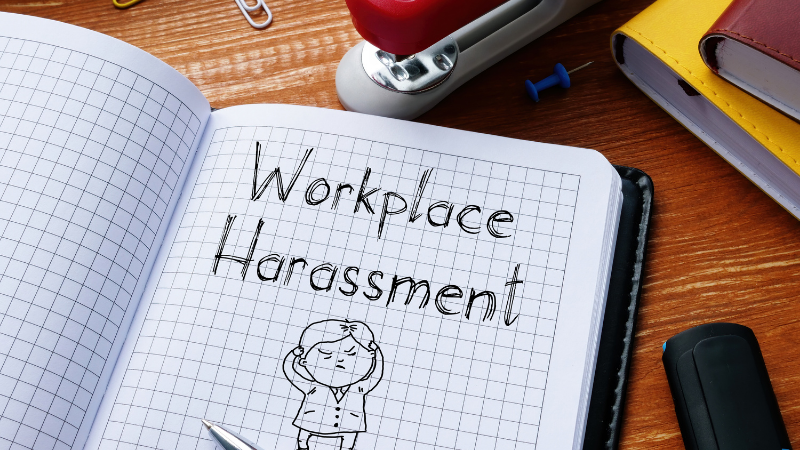
How should workplace harassment be reported & handled?

Workplace harassment is a serious issue that can impact any organisation, regardless of its size or industry. It can take many forms, including verbal, physical, psychological, and sexual harassment. While it is often assumed that harassment mainly affects women, the reality is that anyone—regardless of gender or role—can become a victim.
Creating a safe and respectful work environment is a legal and ethical responsibility for every organization. Harassment not only impacts employee well-being, confidence, and productivity, but can also expose businesses to legal risks if not properly handled. Implementing a clear anti-harassment policy is essential to prevent such issues and ensure workplace safety.
Types of Workplace Harassment
Understanding the different types of workplace harassment is the first step toward prevention and effective handling.
1. Verbal Harassment
Verbal harassment includes insults, offensive jokes, slurs, and hurtful comments. It is a non-physical form of abuse that can often go unnoticed because it falls into a grey area.
Even though it does not involve physical harm, verbal harassment can deeply affect an employee’s confidence and mental health. Over time, it can make individuals feel isolated, undervalued, and unsafe at work.
2. Psychological Harassment
Psychological harassment involves actions that mentally pressure or manipulate an employee. Examples include:
- Taking credit for someone else’s work
- Setting unrealistic deadlines
- Assigning tasks outside job roles to demean an employee
- Constant criticism or unfair expectations
This type of harassment is often subtle but can severely impact an employee’s morale, performance, and emotional well-being.
3. Physical Harassment
Physical harassment includes any unwanted physical contact or threatening behavior. The severity can range from minor actions to serious offenses.
Examples include:
- Unwanted touching of clothing, hair, or body
- Intimidating gestures
- Threats of violence
- Physical assault or property damage
Even small physical actions without consent can be considered harassment and should be taken seriously.
4. Sexual Harassment
Sexual harassment is a serious and punishable offense. It can affect anyone, regardless of gender.
Common examples include:
- Unwanted sexual advances
- Inappropriate touching
- Sexual jokes or comments
- Sharing explicit content
- Sending inappropriate messages
- Asking for sexual favors in exchange for promotions or job security
In India, organizations are required to comply with the Sexual Harassment of Women at Workplace (Prevention, Prohibition and Redressal) Act, 2013, commonly known as the PoSH Act, to prevent and address sexual harassment.
How HR Should Handle Workplace Harassment
Handling workplace harassment effectively is a critical responsibility of the HR department. Organizations must have clear reporting procedures and take every complaint seriously.
1. Encourage Reporting
Employees should feel safe and supported when reporting harassment. HR must create a culture where individuals can raise concerns without fear of retaliation.
2. File and Document Complaints
Once a complaint is reported, HR should formally record it. All details, including dates, incidents, and individuals involved, must be documented accurately.
3. Conduct a Fair Investigation
HR must verify claims by gathering evidence and identifying witnesses. This includes:
- Reviewing documents and communications
- Interviewing the complainant and witnesses
- Speaking with the accused employee
Each interview should be documented carefully, including names, statements, and timelines.
4. Maintain Confidentiality
Confidentiality is crucial during the investigation process. Sensitive information should only be shared with authorized individuals to protect all parties involved.
5. Take Appropriate Action
Based on the findings, HR should take appropriate disciplinary action as per company policy. This may include warnings, suspension, or termination, depending on the severity of the case.
6. Prevent Future Incidents
HR should regularly review policies and conduct awareness programs to prevent harassment. Training sessions and clear communication can help build a respectful workplace culture.
Importance of Anti-Harassment Policies
A strong anti-harassment policy helps organizations:
- Ensure legal compliance
- Protect employee well-being
- Improve workplace culture
- Reduce legal risks
- Build trust among employees
Implementing policies aligned with PoSH guidelines is especially important for organizations operating in India.
Conclusion
Workplace harassment can have serious consequences for both employees and organizations. Understanding its different forms and taking proactive steps to prevent it is essential.
By encouraging open communication, conducting fair investigations, and implementing strong policies, organizations can create a safe and inclusive workplace for everyone.
A respectful work environment is not just a compliance requirement—it is the foundation of a healthy and productive organization.


Leave a reply