

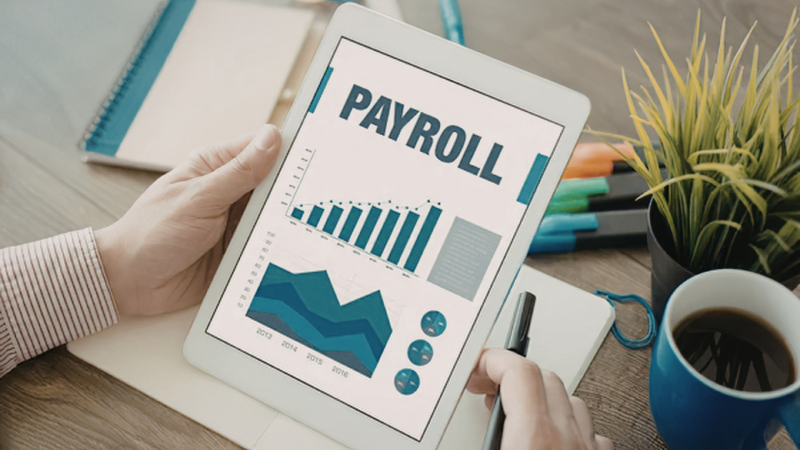
Payroll Infrastructure: How to Set Up Your Function for Success?

An efficient payroll system is more than just salary processing.
It plays a critical role in protecting employee trust, ensuring legal compliance, and improving organizational efficiency. When payroll fails—through delays or errors—it directly impacts morale, productivity, and internal confidence in HR operations.
To build a reliable payroll framework, organizations must focus on two key pillars:
centralization and outsourcing.
Why Payroll System Design Matters
A strong payroll structure ensures:
- Accurate and timely salary payments
- Reduced compliance risk
- Better workforce transparency
- Improved financial control
- Higher employee satisfaction
As companies scale across regions, payroll complexity increases due to:
- Different labor laws
- Tax variations
- Multi-location workforce structures
👉 Without a structured system, payroll becomes fragmented and error-prone.
1. Finding the Right Level of Payroll Centralization
Many growing companies struggle with whether payroll should be managed locally or centrally.
While decentralization may seem flexible, it often leads to:
- Inconsistent payroll practices
- Duplicate roles and efforts
- Higher compliance risks
- Poor financial visibility
Centralized Payroll Model
A centralized payroll management system consolidates payroll operations into a single controlled structure.
Key Benefits:
- Standardized payroll processes
- Stronger compliance control
- Better data accuracy
- Reduced operational duplication
Research shows that most large enterprises prefer centralized payroll models due to their scalability and control advantages.
Regional Shared Service Centers
For multinational organizations, full centralization may not always be practical.
Instead, companies adopt regional shared service centers, which:
- Manage payroll by geographic zones
- Align with local labor laws
- Reduce processing delays
- Improve regional responsiveness
Payroll Center of Excellence (COE)
A more advanced structure is the Payroll COE (Center of Excellence).
This team is responsible for:
- Payroll governance and policy creation
- Compliance standardization
- Automation strategy
- Data security frameworks
A Global Process Owner (GPO) often oversees the entire payroll ecosystem, ensuring consistency while adapting to local requirements.
2. Payroll Outsourcing vs In-House Management
Payroll is highly dependent on constantly changing tax laws and compliance requirements.
Because of this complexity, many organizations choose to:
- Outsource full payroll operations, or
- Outsource non-core administrative tasks
Benefits of Outsourcing Payroll:
- Access to compliance experts
- Reduced operational workload
- Lower risk of penalties
- Improved accuracy and timeliness
👉 This allows internal teams to focus on strategic HR and finance functions.
3. End-to-End Payroll Management Systems
Modern businesses are moving away from disconnected tools.
Instead of using separate systems for:
- Attendance tracking
- Tax calculation
- Payroll processing
- Benefits management
Companies are adopting end-to-end payroll platforms.
What an End-to-End System Offers
A unified payroll platform integrates the entire employee lifecycle:
- Onboarding
- Payroll processing
- Compliance reporting
- Performance-linked data
- Employee self-service access
Key Advantages
1. Eliminates Data Silos
All workforce data is stored in one connected system.
2. Improves Cost Visibility
Advanced analytics provide real-time insights into labor costs.
3. Enhances Employee Experience
Employees can:
- Download payslips
- Access tax documents
- Track salary breakdowns
4. Strengthens Compliance
Automated updates reduce the risk of regulatory errors.
Conclusion
Designing an effective payroll system requires a balance between centralization, outsourcing, and technology integration.
Organizations that adopt a structured payroll strategy benefit from:
- Higher accuracy
- Stronger compliance
- Improved efficiency
- Better employee trust
- Scalable global operations
👉 A centralized, end-to-end payroll management system is no longer optional—it is essential for sustainable business growth.






Leave a reply