

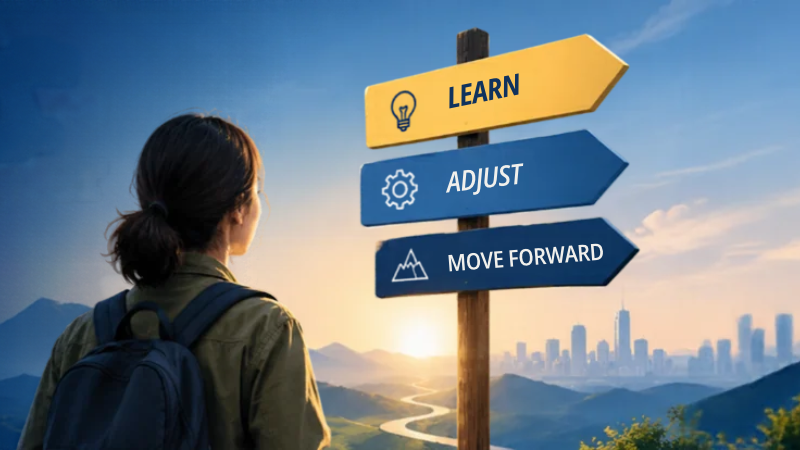
Hiring for Adaptability vs. Experience: Why Learning Agility Wins in Modern Workplaces

A few months ago, a Global Capability Center (GCC) team was asked to overhaul how it prepared reports for its global headquarters.
For years, the team had relied on the exact same process. Everyone knew their role, the workflow was predictable, and reports went out on time. Then, headquarters rolled out a new reporting tool. Suddenly, the team had to drop their old habits, learn a new system, and figure out a better way to get the job done.
Two experienced team members reacted in completely different ways. One kept reverting to the old, familiar method. The other dove into the new tool, asked questions, and leaned on colleagues to figure it out.
Both had solid resumes and years of experience under their belts. Yet, when the ground shifted, only one moved forward.
This brings up a question every leader and recruiter needs to ask: Are we hiring people for what they already know, or for how well they can learn?
The Shift From Experience to Adaptability
Experience certainly has its place, and deep expertise shouldn’t be discounted. However, as workplaces evolve at breakneck speed, hiring for adaptability is quickly becoming just as critical as technical know-how.
When evaluating a candidate, traditional hiring focuses heavily on the past:
-
How many years have they been in this role?
-
Which specific tools do they already know?
-
Have they handled these exact tasks before?
Those questions are a good starting point, but past knowledge alone is no longer enough. Today, we also need to ask:
-
How do they react when plans change overnight?
-
Are they genuinely curious and willing to unlearn old habits?
-
Can they stay flexible when things get uncomfortable?
Consider a GCC collaborating with stakeholders across multiple time zones. Global headquarters might introduce a new platform or shift strategic priorities with little warning. In those moments, a team doesn’t just need people who have “been there, done that.” It needs people who can pick up a new system on the fly and chart a path forward.
That is the essence of workplace adaptability: the willingness to learn new things and pivot your approach when the situation demands it.
What Does Adaptability Actually Look Like at Work?
Being adaptable doesn’t mean having all the answers. It means being ready to find them. On a day-to-day basis, it shows up in three distinct ways:
1. Embracing new tools instead of fighting them When new technology arrives, adaptable employees don’t waste energy wishing for the old system back. They get curious. They explore how the tool works, where it saves time, and how it can make their team’s life easier.
2. Listening to understand, not just to defend Picture a team member pitching an idea to a global leader, only for the leader to push back. Someone who is rigid will keep defending their original point, stalling the conversation. An adaptable person pauses, asks questions to understand the leader’s perspective, and adjusts their approach. Like good negotiators, they look at the problem from the other person’s shoes before trying to solve it.
3. Being willing to pivot when Plan A fails Not every strategy works the first time. Instead of seeing a failed plan as a personal defeat, adaptable people treat it as feedback. They take the lesson, drop what isn’t working, and test a different route.
What the Research Tells Us
This isn’t just a gut feeling—the data backs it up. According to the World Economic Forum’s Future of Jobs Report 2025, 67% of surveyed employers rank resilience, flexibility, and agility among the most critical skills for their workforce.
Hard skills can always be taught. Adaptability, on the other hand, is the real differentiator. Knowing how to do the job today is merely the baseline; what truly counts is how fast someone can figure out tomorrow’s job when the rules change.
3 Interview Questions to Spot Adaptability
Again, experience matters—especially in specialized roles that require years of technical mastery. But if we recruit exclusively for past experience, we close the door on high-potential talent.
To spot adaptability during an interview, you have to look beyond the bullet points on a resume and explore how a candidate actually thinks and reacts under pressure. Try asking these three questions:
-
“What’s the last new thing you had to teach yourself at work?” (Shows self-drive and genuine curiosity)
-
“Tell me about a time a project completely fell apart. What did you do next?” (Reveals resilience and practical problem-solving)
-
“Have you ever completely changed your mind after hearing a teammate’s perspective?” (Uncovers humility and true collaboration)
Listen closely to how they frame their answers. You’ll quickly see whether they blame circumstances or take ownership, pivot, and grow.
Final Thoughts
As English author and researcher Max McKeown famously put it: “All failure is failure to adapt, all success is successful adaptation.” Imagine how much more resilient our teams would be if we made adaptability a core pillar of how we hire.
Over to you: When you’re building a team, how much weight do you give to a stacked resume versus a candidate’s ability to learn on the fly? Share your thoughts in the comments below!



Leave a reply